If you are having trouble viewing this email, click on this link

AAF NEWS FLASH
Headlines to keep you in touch!

January 7, 2011


AAF Partner Featured in Worcester Business Journal

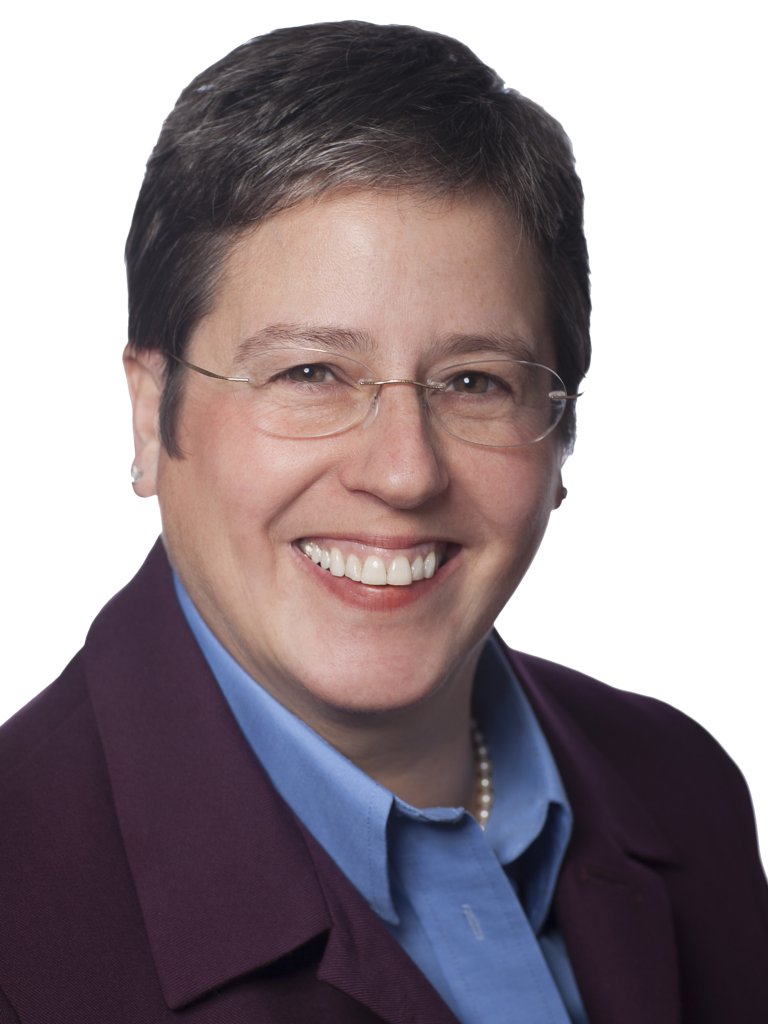
In order to help the community better understand the ever-changing tax rules and regulations, our very own Joy Child, AAF Vice President, was recently featured in the Worcester Business Journal, concisely answering key questions on how the tax changes are affecting local businesses. To keep you in-the-know about these changes, we've included the direct link to the Worcester Business Journal online article and the full article in this flash.

If you have questions about this article or need more information about AAF's tax services, please contact Joy or a member of our partner team today.


Knowhow: Tax Time

The basics of a new health insurance tax credit for small businesses

By Joy C. Child

Special to the Worcester Business Journal

http://www.wbjournal.com/news47878.html

"The Patient Protection and Affordable Care Act, passed by Congress and signed by President Barack Obama on March 23, 2010, has vastly changed health care in this country. To ease the burden on small employers who provide health insurance for their employees, new tax credits are available for tax years beginning in 2010.

Who is eligible?

Employers who contribute at least 50 percent of the health insurance premiums for their employees at the single (employee-only) coverage rate. The number of full-time equivalent (FTE) employees must be fewer than 25. The average annual wages of employees must be less than $50,000.

What is a full-time equivalent employee?

The total hours worked by all employees during the year, divided by 2,080, rounded down to the nearest whole number. For employees who work more than 2,080 hours per year, only the first 2,080 hours are counted.

A company has 50 part-time employees. Since it has more than 25 employees, is it still eligible for the credit?

Yes, if the total number of hours worked divided by 2,080 is less than 25, the company is still eligible for the credit.

How are the average annual wages calculated?

The total wages that the employer pays is divided by the number of its FTE employees and that number is rounded down to the nearest $1,000.

How much is the credit?

For taxable entities, during tax years beginning in 2010 to 2013, the amount of the credit is 35 percent of the employer's contributions toward the employees' health insurance premiums. During tax years beginning after 2013, the credit is 50 percent of the employer's contributions.

Is there a phase out of the credit?

Yes, the full amount of the credit is only available to an employer with 10 or fewer FTE employees and whose employees have average annual wages of less than $25,000. An employer with exactly 25 FTE employees or average annual wages exactly equal to $50,000 is not eligible for the credit.

Are tax-exempt organizations eligible for the credit?

Yes, but the maximum credit for the first four years is 25 percent of the employer's premium payments and 35 percent for tax years beginning after 2013. In addition, their credit cannot exceed the amount of employee federal tax withholding and the employee and employer portion of Medicare taxes. The other rules are the same.

Is there a restriction on where the employer purchases the health insurance?

Yes, during the first 4 years, it must be purchased from an insurance company licensed under state law. During the second phase, beginning in 2014, it must be purchased through a state exchange.

How does the employer get the credit?

Employers file Form 8941. The credit will be taken as a business tax credit on the annual tax return of the company or on the owner's returns of a pass-through entity. For tax-exempt organizations, the credit will be taken on a revised Form 990-T.

Are all employees counted in the number of FTEs?

No. Self-employed individuals, including partners and sole proprietors, 2 percent or greater shareholders of an S corporation, and 5 percent owners of the employer and certain relatives of these individuals are not treated as employees. There are also special rules that apply to seasonal workers and leased employees.

Example for a taxable entity:

  • Number of FTEs 10
  • Average annual wages $20,000
  • Health insurance premiums $50,000
    paid by employer
  • Tax credit at 35% $17,500

As always, see your professional tax advisor to determine how this new tax credit applies to your individual situation. 

Joy C. Child is a partner and vice-president at the...accounting firm of Alexander, Aronson, Finning & Co. PC. She can be reached at jchild@aafcpa.com."


AAF PARTNERS:
Click on the below pictures to read their bios.


Carla M. McCall , CPA
Co-Managing Partner
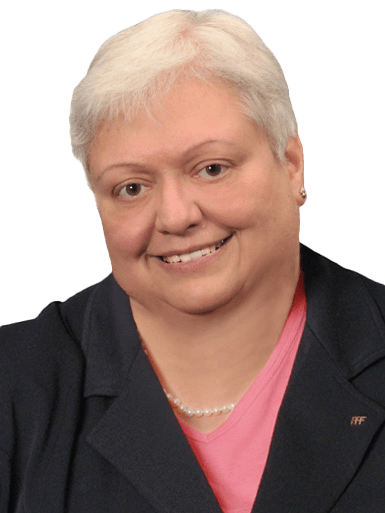

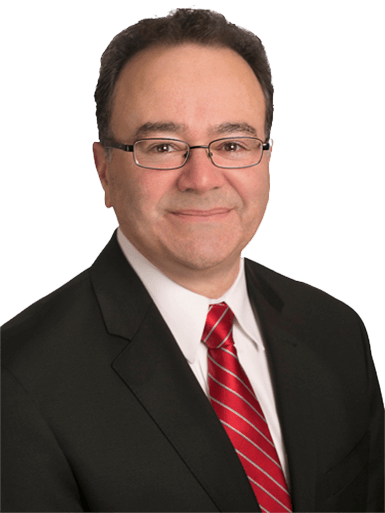
David P. McManus, CPA
Co-Managing Partner


Herbert S. Alexander, CPA
Chairman of the Board


Joel Aronson, CPA
Vice President


John T. Finning, CPA
Vice President


John R. Buckley, CPA
Vice President


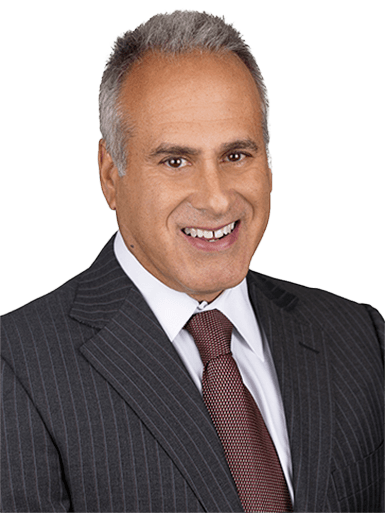
Jeffrey V. Cicolini, CPA

Vice President

Joy C. Child, CPA
Vice President

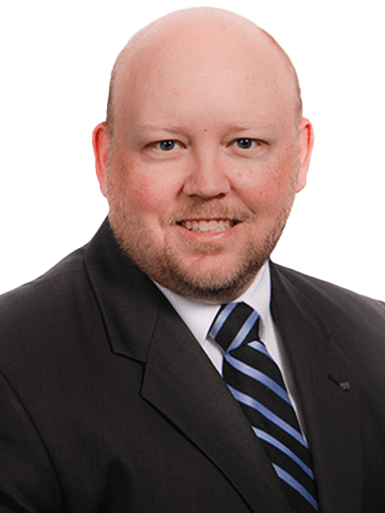
Matthew R. Hutt, CPA
Vice President


David J. Kelleher, CPA
Vice President

Robin D. Kelley, CPA
Vice President


Dana J. Marks, CPA
Vice President

Thomas A. Washburn, CPA
Vice President


Email:
info@aafcpa.com

Telephone:
Westborough..(508) 366-9100
Wellesley.......(781) 965-9100
Worcester......(508) 352-9100


AAF Westborough
21 East Main Street
Westborough, MA 01581
AAF Worcester
255 Park Avenue, Suite 1101
Worcester, MA 01609
AAF Wellesley
57 River Street, Suite 301
Wellesley, MA 02481

You are receiving this information because you are a valued client or friend of AAF. Please contact Angela Balter by e-mail (abalter@aafcpa.com) or phone (508-366-9100) if you would prefer not to receive this publication.

Any tax advice contained in this e-mail was not intended or written by the practitioner to be used (and cannot be used) by the taxpayer to avoid penalties that may be imposed under the Internal Revenue Code or state or local tax law provisions